INDICATIONS
UPLIZNA® (inebilizumab-cdon) is indicated in adult patients for the treatment of: anti-aquaporin-4 (AQP4) antibody positive neuromyelitis optica spectrum disorder (NMOSD); Immunoglobulin G4-related disease (IgG4-RD); anti-...

IgG4-Related Disease Manifestations & Symptoms

Coordination of disease management across specialties may help improve patient outcomes1

The heterogenous and multi-organ nature of immunoglobulin G4-related disease (IgG4-RD) may require treatment and monitoring by a multidisciplinary care team across a variety of specialties.1

Explore this interactive tool to see how IgG4-RD can appear throughout the body and have potentially serious manifestations.

IgG4-related disease organ manifestations2-4

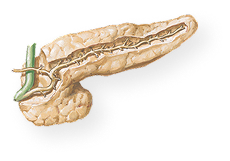
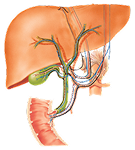
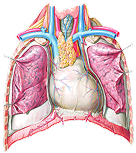
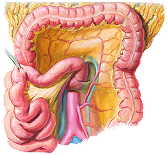
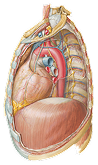
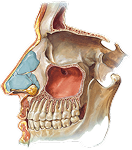
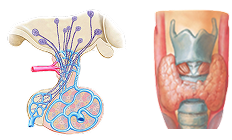
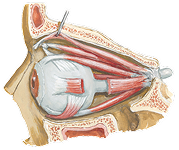
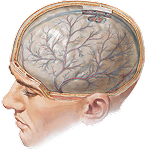
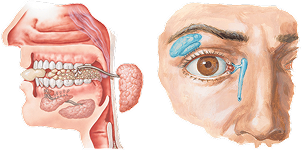
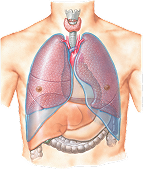
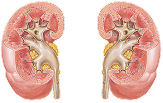
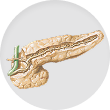
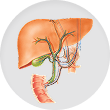
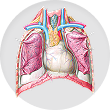
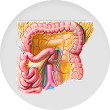
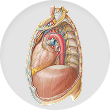
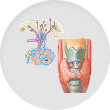
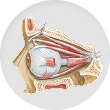
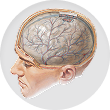
Full body diagram emphasizing all organs Meninges affected by IgG4-related disease symptoms graphic Eyes affected by IgG4-related disease symptoms graphic Heart and aorta affected by IgG4-related disease symptoms graphic Biliary tract and liver affected by IgG4-related disease symptoms graphic kidney affected by IgG4-related disease symptoms graphic Retroperitoneum affected by IgG4-related disease symptoms graphic Pancreas affected by IgG4-related disease symptoms graphic Mediastinum chest cavity affected by IgG4-related disease symptoms graphic Salivary and lacrimal glands affected by IgG4-related disease symptoms graphic Chest cavity affected by IgG4-related disease symptoms graphic Thyroid and pituitary gland affected by IgG4-related disease symptoms graphic

Select a manifestation to learn more

Selected: None
Default Image

Multi-organ involvement cannot necessarily be ascertained via IgG4-RD symptomatology6,8

Organ(s)

Frequency

Systemic Manifestations

Potential Symptoms and/or Sequelae

Pachymeninges

Infrequent

  • Infundibulo-hypophysitis
  • Hypertrophic pachymeningitis
  • Inflammatory orbital pseudotumor
  • Perineural infiltration

Cranial nerve palsies

Orbits

Occasional

  • Idiopathic orbital inflammatory pseudotumor

Proptosis, vision loss, diplopia

Lacrimal glands

Frequent

  • Mikulicz disease
  • Chronic dacryoadenitis

Sicca

Skull bones, sinuses, ears

Occasional

  • Sinonasal masses

Chronic sinusitis, midline destructive lesions, anosmia, hearing loss, bone destruction

Salivary glands

Frequent

  • Mikulicz disease
  • Chronic sialadenitis

Sicca

Heart, aorta

Infrequent

  • Aortic wall thickening

Coronary artery disease, inflammatory thoracic or abdominal aortic aneurysms

Thyroid

Infrequent

  • Hashimoto's thyroiditis
  • Riedel's thyroiditis

Hypothyroidism

Mediastinum

Infrequent

  • Mediastinal adenopathy

Compression of local structures

Lungs

Occasional

  • Multiple lung nodules
  • Ground-glass opacity
  • Reticular interstitial thickening

Pulmonary fibrosis, interstitial lung disease, pleural effusion and thickening

Pancreas

Frequent

  • Autoimmune pancreatitis

Diabetes mellitus due to endocrine dysfunction and malabsorption due to exocrine insufficiency

Bile ducts, gallbladder, liver

Occasional

  • Primary sclerosing cholangitis
  • IgG4-related hepatopathy

Biliary strictures, infectious cholangitis, hepatic failure

Kidneys

Occasional

  • Renal parenchymal nodules, focal or diffuse

Renal failure due to interstitial nephritis or glomerulonephritis

Retroperitoneum

Frequent

  • Retroperitoneal fibrosis
  • Periaortitis
  • Sclerosing mesenteritis

Renal atrophy or injury due to hydronephrosis

Organ(s)

Pachymeninges

Frequency

Infrequent

Systemic Manifestations

  • Infundibulo-hypophysitis
  • Hypertrophic pachymeningitis
  • Inflammatory orbital pseudotumor
  • Perineural infiltration

Potential Symptoms and/or Sequelae

Cranial nerve palsies

Organ(s)

Orbits

Frequency

Occasional

Systemic Manifestations

  • Idiopathic orbital inflammatory pseudotumor

Potential Symptoms and/or Sequelae

Proptosis, vision loss, diplopia

Organ(s)

Lacrimal glands

Frequency

Frequent

Systemic Manifestations

  • Mikulicz disease
  • Chronic dacryoadenitis

Potential Symptoms and/or Sequelae

Sicca

Organ(s)

Skull bones, sinuses, ears

Frequency

Occasional

Systemic Manifestations

  • Sinonasal masses

Potential Symptoms and/or Sequelae

Chronic sinusitis, midline destructive lesions, anosmia, hearing loss, bone destruction

Organ(s)

Salivary glands

Frequency

Frequent

Systemic Manifestations

  • Mikulicz disease
  • Chronic sialadenitis

Potential Symptoms and/or Sequelae

Sicca

Organ(s)

Heart, aorta

Frequency

Infrequent

Systemic Manifestations

  • Aortic wall thickening

Potential Symptoms and/or Sequelae

Coronary artery disease, inflammatory thoracic or abdominal aortic aneurysms

Organ(s)

Thyroid

Frequency

Infrequent

Systemic Manifestations

  • Hashimoto's thyroiditis
  • Riedel's thyroiditis

Potential Symptoms and/or Sequelae

Hypothyroidism

Organ(s)

Mediastinum

Frequency

Infrequent

Systemic Manifestations

  • Mediastinal adenopathy

Potential Symptoms and/or Sequelae

Compression of local structures

Organ(s)

Lungs

Frequency

Occasional

Systemic Manifestations

  • Multiple lung nodules
  • Ground-glass opacity
  • Reticular interstitial thickening

Potential Symptoms and/or Sequelae

Pulmonary fibrosis, interstitial lung disease, pleural effusion and thickening

Organ(s)

Pancreas

Frequency

Frequent

Systemic Manifestations

  • Autoimmune pancreatitis

Potential Symptoms and/or Sequelae

Diabetes mellitus due to endocrine dysfunction and malabsorption due to exocrine insufficiency

Organ(s)

Bile ducts, gallbladder, liver

Frequency

Occasional

Systemic Manifestations

  • Primary sclerosing cholangitis
  • IgG4-related hepatopathy

Potential Symptoms and/or Sequelae

Biliary strictures, infectious cholangitis, hepatic failure

Organ(s)

Kidneys

Frequency

Occasional

Systemic Manifestations

  • Renal parenchymal nodules, focal or diffuse

Potential Symptoms and/or Sequelae

Renal failure due to interstitial nephritis or glomerulonephritis

Organ(s)

Retroperitoneum

Frequency

Frequent

Systemic Manifestations

  • Retroperitoneal fibrosis
  • Periaortitis
  • Sclerosing mesenteritis

Potential Symptoms and/or Sequelae

Renal atrophy or injury due to hydronephrosis

Stay Up to Date

Get the latest UPLIZNA information and resources as soon as they are available.

stay-upto-date-icon

UPLIZNA for IgG4-RD

Learn about the selective targeting and design of UPLIZNA as a CD19+ B-cell depleter.

antibody-icon

IMPORTANT SAFETY INFORMATION AND INDICATIONS

CONTRAINDICATIONS

UPLIZNA® (inebilizumab-cdon) is contraindicated in patients with a history of a life-threatening infusion reaction to UPLIZNA, active hepatitis B infection, or active or untreated latent tuberculosis. 

WARNINGS AND PRECAUTIONS

  • Infusion Reactions: Infusion reactions, including anaphylaxis, can occur. Symptoms can include headache, nausea, somnolence, dyspnea, fever, myalgia, rash, or palpitations. Infusion reactions were observed in 9.3%, 7.4%, and 10.1% of patients treated with UPLIZNA during the randomized controlled periods (RCPs) of Study 1 in patients with NMOSD, Study 2 in patients with IgG4-RD, and Study 3 in patients with gMG, respectively. Infusion reactions were most common with the first infusion but were also observed during subsequent infusions.

    Administer pre-medication with a corticosteroid, an antihistamine, and an antipyretic. For life-threatening infusion reactions, immediately and permanently stop UPLIZNA and administer appropriate supportive treatment. For less severe infusion reactions, management may involve temporarily stopping the infusion, reducing the infusion rate, and/or administering symptomatic treatment. 
  • Infections: Serious, including life-threatening or fatal, bacterial, fungal, and new or reactivated viral infections have been observed during and following completion of treatment with B-cell depleting therapies, including UPLIZNA. The most common infections reported by UPLIZNA-treated patients in the NMOSD randomized and open-label clinical trial periods for NMOSD were urinary tract infection (20%), nasopharyngitis (13%), upper respiratory tract infection (8%), and influenza (7%). In the IgG4-RD RCP, the most common infections reported by UPLIZNA-treated patients were urinary tract infection, influenza, and pneumonia. In the gMG RCP, the most common infections reported by UPLIZNA-treated patients were urinary tract infection and nasopharyngitis. Delay UPLIZNA administration in patients with an active infection until the infection is resolved.

    Possible Increased Risk of Immunosuppressant Effects with Other Immunosuppressants: If combining UPLIZNA with another immunosuppressive therapy, consider the potential for increased immunosuppressive effects. 

    Hepatitis B Virus (HBV) Reactivation: HBV reactivation has been observed with B-cell-depleting therapies, including UPLIZNA. Fulminant hepatitis, hepatic failure, and death caused by HBV reactivation have occurred in patients treated with B-cell depleting therapies. HBV reactivation was observed in a patient treated with UPLIZNA during the gMG clinical trial and in the postmarketing setting. Patients with active or chronic HBV infection were excluded from clinical trials. Perform HBV screening in all patients before initiation of treatment. Do not administer to patients with active HBV confirmed by positive results for HBsAg and anti-HB tests. For patients who are negative for HBsAg and positive for HBcAb, or who are carriers of HBV (i.e., HBsAg+), consult liver disease experts before starting and during treatment.

    Progressive Multifocal Leukoencephalopathy (PML): Although no confirmed cases of PML were identified in UPLIZNA clinical trials, JC virus infection resulting in PML has been observed in patients treated with other B-cell-depleting antibodies and other therapies that affect immune competence. In UPLIZNA clinical trials one subject died following the development of new brain lesions for which a definitive diagnosis could not be established, though the differential diagnosis included an atypical NMOSD relapse, PML, or acute disseminated encephalomyelitis. At the first sign or symptom suggestive of PML, withhold UPLIZNA and perform an appropriate diagnostic evaluation. MRI findings may be apparent before clinical signs or symptoms. Typical symptoms associated with PML are diverse, progress over days to weeks, and include progressive weakness on one side of the body or clumsiness of limbs, disturbance of vision, and changes in thinking, memory, and orientation leading to confusion and personality changes. 

    Tuberculosis
    Patients should be evaluated for tuberculosis risk factors and tested for latent infection prior to initiating UPLIZNA. Consider anti-tuberculosis therapy prior to initiation of UPLIZNA in patients with a history of latent active tuberculosis in whom an adequate course of treatment cannot be confirmed, and for patients with a negative test for latent tuberculosis but having risk factors for tuberculosis infection. Consult infectious disease experts regarding whether initiating anti-tuberculosis therapy is appropriate before starting treatment.

    Vaccinations
    Administer all immunizations according to immunization guidelines at least 4 weeks prior to initiation of UPLIZNA. The safety of immunization with live or live-attenuated vaccines following UPLIZNA therapy has not been studied, and vaccination with live-attenuated or live vaccines is not recommended during treatment and until B-cell repletion. 
    Vaccination of Infants Born to Mothers Treated with UPLIZNA During Pregnancy
    In infants of mothers exposed to UPLIZNA during pregnancy, do not administer live or live-attenuated vaccines before confirming recovery of B-cell counts in the infant. Depletion of B cells in these exposed infants may increase the risks from live or live-attenuated vaccines. Non-live vaccines, as indicated, may be administered prior to recovery from B-cell and immunoglobulin level depletion, but consultation with a qualified specialist should be considered to assess whether a protective immune response was mounted.
  • Reductions in Immunoglobulins: There may be a progressive and prolonged hypogammaglobulinemia or decline in the levels of total and individual immunoglobulins such as immunoglobulins G and M (IgG and IgM) with continued UPLIZNA treatment. Monitor the levels of quantitative serum immunoglobulins during treatment with UPLIZNA, especially in patients with opportunistic or recurrent infections, and until B-cell repletion after discontinuation of therapy. Consider discontinuing UPLIZNA therapy if a patient with low immunoglobulin G or M develops a serious opportunistic infection or recurrent infections, or if prolonged hypogammaglobulinemia requires treatment with intravenous immunoglobulins. 
  • Fetal Risk: Based on animal data, UPLIZNA can cause fetal harm due to B-cell lymphopenia and reduce antibody response in offspring exposed to UPLIZNA even after B-cell repletion. Transient peripheral B-cell depletion and lymphocytopenia have been reported in infants born to mothers exposed to other B-cell-depleting antibodies during pregnancy. Advise females of reproductive potential to use effective contraception while receiving UPLIZNA and for at least 6 months after the last dose. 

ADVERSE REACTIONS

  • The most common adverse reactions (at least 10% of patients treated with UPLIZNA and greater than placebo): urinary tract infection and arthralgia in NMOSD; urinary tract infection and lymphopenia in IgG4-RD; headache and infusion-related reactions in gMG.

INDICATIONS

UPLIZNA® (inebilizumab-cdon) is indicated in adult patients for the treatment of: anti-aquaporin-4 (AQP4) antibody positive neuromyelitis optica spectrum disorder (NMOSD); Immunoglobulin G4-related disease (IgG4-RD); anti-acetylcholine receptor (AChR) or anti-muscle specific tyrosine kinase (MuSK) antibody positive (Ab+) generalized myasthenia gravis (gMG).

Please see UPLIZNA Full Prescribing Information.

IMPORTANT SAFETY INFORMATION AND INDICATIONS

CONTRAINDICATIONS

UPLIZNA® (inebilizumab-cdon) is contraindicated in patients with a history of a life-threatening infusion reaction to UPLIZNA, active hepatitis B infection, or active or untreated latent tuberculosis. 

WARNINGS AND PRECAUTIONS 

  • Infusion Reactions: Infusion reactions, including anaphylaxis, can occur. Symptoms can include headache, nausea, somnolence, dyspnea, fever, myalgia, rash, or palpitations. Infusion reactions were observed in 9.3%, 7.4%, and 10.1% of patients treated with UPLIZNA during the randomized controlled periods (RCPs) of Study 1 in patients with NMOSD, Study 2 in patients with IgG4-RD, and Study 3 in patients with gMG, respectively. Infusion reactions were most common with the first infusion but were also observed during subsequent infusions.

    Administer pre-medication with a corticosteroid, an antihistamine, and an antipyretic. For life-threatening infusion reactions, immediately and permanently stop UPLIZNA and administer appropriate supportive treatment. For less severe infusion reactions, management may involve temporarily stopping the infusion, reducing the infusion rate, and/or administering symptomatic treatment.
  • Infections: Serious, including life-threatening or fatal, bacterial, fungal, and new or reactivated viral infections have been observed during and following completion of treatment with B-cell depleting therapies, including UPLIZNA. The most common infections reported by UPLIZNA-treated patients in the NMOSD randomized and open-label clinical trial periods for NMOSD were urinary tract infection (20%), nasopharyngitis (13%), upper respiratory tract infection (8%), and influenza (7%). In the IgG4-RD RCP, the most common infections reported by UPLIZNA-treated patients were urinary tract infection, influenza, and pneumonia. In the gMG RCP, the most common infections reported by UPLIZNA-treated patients were urinary tract infection and nasopharyngitis. Delay UPLIZNA administration in patients with an active infection until the infection is resolved.

    Possible Increased Risk of Immunosuppressant Effects with Other Immunosuppressants: If combining UPLIZNA with another immunosuppressive therapy, consider the potential for increased immunosuppressive effects. 

    Hepatitis B Virus (HBV) Reactivation: HBV reactivation has been observed with B-cell-depleting therapies, including UPLIZNA. Fulminant hepatitis, hepatic failure, and death caused by HBV reactivation have occurred in patients treated with B-cell depleting therapies. HBV reactivation was observed in a patient treated with UPLIZNA during the gMG clinical trial and in the postmarketing setting. Patients with active or chronic HBV infection were excluded from clinical trials. Perform HBV screening in all patients before initiation of treatment. Do not administer to patients with active HBV confirmed by positive results for HBsAg and anti-HB tests. For patients who are negative for HBsAg and positive for HBcAb, or who are carriers of HBV (i.e., HBsAg+), consult liver disease experts before starting and during treatment.

    Progressive Multifocal Leukoencephalopathy (PML): Although no confirmed cases of PML were identified in UPLIZNA clinical trials, JC virus infection resulting in PML has been observed in patients treated with other B-cell-depleting antibodies and other therapies that affect immune competence. In UPLIZNA clinical trials one subject died following the development of new brain lesions for which a definitive diagnosis could not be established, though the differential diagnosis included an atypical NMOSD relapse, PML, or acute disseminated encephalomyelitis. At the first sign or symptom suggestive of PML, withhold UPLIZNA and perform an appropriate diagnostic evaluation. MRI findings may be apparent before clinical signs or symptoms. Typical symptoms associated with PML are diverse, progress over days to weeks, and include progressive weakness on one side of the body or clumsiness of limbs, disturbance of vision, and changes in thinking, memory, and orientation leading to confusion and personality changes. 

    Tuberculosis
    Patients should be evaluated for tuberculosis risk factors and tested for latent infection prior to initiating UPLIZNA. Consider anti-tuberculosis therapy prior to initiation of UPLIZNA in patients with a history of latent active tuberculosis in whom an adequate course of treatment cannot be confirmed, and for patients with a negative test for latent tuberculosis but having risk factors for tuberculosis infection. Consult infectious disease experts regarding whether initiating anti-tuberculosis therapy is appropriate before starting treatment. 

    Vaccinations
    Administer all immunizations according to immunization guidelines at least 4 weeks prior to initiation of UPLIZNA. The safety of immunization with live or live-attenuated vaccines following UPLIZNA therapy has not been studied, and vaccination with live-attenuated or live vaccines is not recommended during treatment and until B-cell repletion. 
    Vaccination of Infants Born to Mothers Treated with UPLIZNA During Pregnancy
    In infants of mothers exposed to UPLIZNA during pregnancy, do not administer live or live-attenuated vaccines before confirming recovery of B-cell counts in the infant. Depletion of B cells in these exposed infants may increase the risks from live or live-attenuated vaccines. Non-live vaccines, as indicated, may be administered prior to recovery from B-cell and immunoglobulin level depletion, but consultation with a qualified specialist should be considered to assess whether a protective immune response was mounted.
  • Reductions in Immunoglobulins: There may be a progressive and prolonged hypogammaglobulinemia or decline in the levels of total and individual immunoglobulins such as immunoglobulins G and M (IgG and IgM) with continued UPLIZNA treatment. Monitor the levels of quantitative serum immunoglobulins during treatment with UPLIZNA, especially in patients with opportunistic or recurrent infections, and until B-cell repletion after discontinuation of therapy. Consider discontinuing UPLIZNA therapy if a patient with low immunoglobulin G or M develops a serious opportunistic infection or recurrent infections, or if prolonged hypogammaglobulinemia requires treatment with intravenous immunoglobulins.
  • Fetal Risk: Based on animal data, UPLIZNA can cause fetal harm due to B-cell lymphopenia and reduce antibody response in offspring exposed to UPLIZNA even after B-cell repletion. Transient peripheral B-cell depletion and lymphocytopenia have been reported in infants born to mothers exposed to other B-cell-depleting antibodies during pregnancy. Advise females of reproductive potential to use effective contraception while receiving UPLIZNA and for at least 6 months after the last dose.

ADVERSE REACTIONS

  • The most common adverse reactions (at least 10% of patients treated with UPLIZNA and greater than placebo): urinary tract infection and arthralgia in NMOSD; urinary tract infection and lymphopenia in IgG4-RD; headache and infusion-related reactions in gMG.

INDICATIONS

UPLIZNA® (inebilizumab-cdon) is indicated in adult patients for the treatment of: anti-aquaporin-4 (AQP4) antibody positive neuromyelitis optica spectrum disorder (NMOSD); Immunoglobulin G4-related disease (IgG4-RD); anti-acetylcholine receptor (AChR) or anti-muscle specific tyrosine kinase (MuSK) antibody positive (Ab+) generalized myasthenia gravis (gMG).

Please see UPLIZNA Full Prescribing Information.
  • REFERENCES:
    1. Goodchild G, Peters RJ, Cargill TN, et al. Clin Med. 2020;20(3):e32-e39.
    2. Perugino CA, Stone JH. Nat Rev Rheumatol. 2020;16(12):702-714.
    3. Khosroshahi A, Wallace ZS, Crowe JL, et al. Arthritis Rheumatol. 2015;67(7):1688-1699.
    4. Salvati L, Tinghi F, Ammannati F, et al. SN Compr Clin Med. 2022;4(1):170.
    5. Legatowicz-Koprowska M. Cent Eur J Immunol. 2018;43(2):204-208.
    6. Pinheiro FAG, Pereira IA, de Souza, AWS, et al. Adv Rheumatol 64, 35 (2024).
    7. Lanzillotta M, Mancuso G, Della-Torre E. BMJ. 2020;369:m1067.
    8. Zhang S, Zhang J, Li Y, Jiao J. J Inflamm Res. 2022;15:4487-4497
    9. Carruthers MN, Stone JH, Khosroshahi A. Int J Rheumatol. 2012;2012:1-7.
    10. Perugino C, Culver EL, Khosroshahi A, et al. Rheumatol Ther 10, 1795–1808 (2023).
    11. Fujii M, Sato Y, Ohara, N. et al. Diagn Pathol 9, 41 (2014).
    12. Zhang W, Stone JH. Lancet Rheumatol. 2019;1(1):e55-e65.
    13. Khosroshahi A, Ayalon R, et al. Int J Rheumatol. 2012;2012:139409.
    14. Katz G, Stone JH. Annu Rev Med. 2022;73:545-562.
    15. Moon SH, Kim MH. Korean J Gastroenterol. 2022;80(3):107-114.
    16. Wallace ZS, Deshpande V, et al. Arthritis Rheumatol. 2015:67(9):2466-75.