


INDICATIONS
UPLIZNA® (inebilizumab-cdon) is indicated in adult patients for the treatment of: anti-aquaporin-4 (AQP4) antibody positive neuromyelitis optica spectrum disorder (NMOSD); Immunoglobulin G4-related disease (IgG4-RD); anti-...

Stay Up to Date

Receive the latest news and updates about UPLIZNA

Sign Up

Dosing & Administration

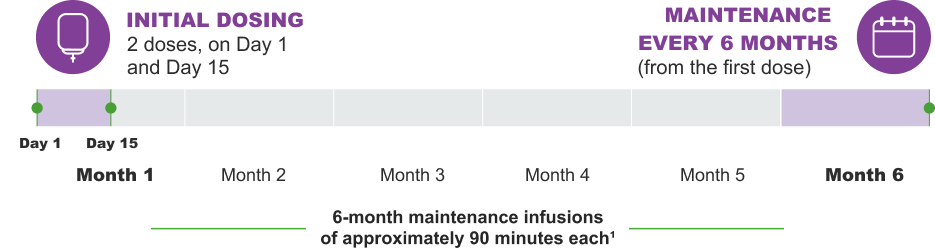
Twice-yearly dosing* with UPLIZNA offers patients 6 months of infusion-free time1

*Following 2 initial doses 2 weeks apart. 

On this page:

Dosing Schedule

  • Administration info

    Administration information1

    • UPLIZNA is a 300 mg intravenous infusion
    • Check lgG levels and test for hepatitis B virus and tuberculosis prior to treatment administration
    • Administer all recommended vaccinations at least 4 weeks prior to initiation of UPLIZNA
    • A corticosteroid is given 30 minutes prior, and an antihistamine and an antipyretic are given 30 to 60 minutes prior to administration to reduce infusion reactions 
    • Advise females of reproductive potential of the potential risk to a fetus and to use an effective method of contraception during treatment and for 6 months after stopping UPLIZNA 
    • There is a pregnancy exposure registry that monitors pregnancy outcomes in women exposed to UPLIZNA during pregnancy or shortly before conception. Healthcare providers are encouraged to advise their patients to register by contacting the UPLIZNA Pregnancy Registry by calling the coordinating center at 1 (303) 724-4644 or www.upliznapregnancy-registry.com
Dosage1
UPLIZNA is administered as an intravenous (IV) infusion. The recommended dosage is:
  • Initial dose: 300-mg IV infusion followed 2 weeks later by a second 300-mg IV infusion
  • Subsequent doses (starting 6 months from the first infusion): single 300-mg IV infusion every 6 months
Screening1
  • Check IgG levels and test for hepatitis B virus and tuberculosis prior to treatment administration
  • Administer all recommended vaccinations at least 4 weeks prior to initiation of UPLIZNA
  • Advise females of reproductive potential that they should use effective contraception during
treatment and for 6 months after UPLIZNA therapy
Preparation1
Visually inspect UPLIZNA solution for particulate matter and discoloration. If the solution is cloudy, discolored, or contains discrete particulate matter, do not use and contact the manufacturer (1-866-479-6742). Do not shake the vial.
  • Obtain an IV bag containing 250 mL of 0.9% sodium chloride injection, USP. Do not use other diluents to dilute UPLIZNA
  • Withdraw 10 mL of UPLIZNA from each of the 3 vials contained in the carton and transfer a total of 30 mL into the 250-mL IV bag
  • Mix diluted solution by gentle inversion. Do not shake the solution
  • Discard the unused portion remaining in the vials
Premedication1
  • A corticosteroid, an antihistamine, and an antipyretic are given 30 to 60 minutes prior to administration to reduce infusion reactions
  • Monitor the patient closely for infusion reactions during and for at least 1 hour after the completion of the infusion
Premedication: administer approximately 30 to 60 minutes prior to each UPLIZNA infusion1
Type of
premedication
Route of
administration
Examples of
(or equivalent)
Administration time
to UPLIZNA infusion
Corticosteroid Intravenous Methylprednisolone 80 mg to 125 mg 30 minutes
Antihistamine Oral Diphenhydramine 25 mg to 50 mg 30 to 60 minutes
Antipyretic Oral Acetaminophen 500 mg to 650 mg 30 to 60 minutes
Type of
premedication
Corticosteroid
Antihistamine
Antipyretic
Route of
administration
Intravenous
Oral
Oral
Examples
of (or equivalent)
Methylprednisolone 80 mg to 125 mg
Diphenhydramine 25 mg to 50 mg
Acetaminophen 500 mg to 650 mg
Administration time
to UPLIZNA infusion
30 minutes
30 to 60 minutes
30 to 60 minutes
Administration1
Administer UPLIZNA under the close supervision of an experienced healthcare professional with access to appropriate medical support to manage potential severe reactions.

Administer the prepared solution intravenously via an infusion pump at an increasing rate to completion, approximately 90 minutes, according to the schedule below. Administer through an IV line containing a sterile, low-protein binding 0.2 or 0.22 micron in-line filter.

Recommended infusion rate for UPLIZNA administration when diluted in a 250-mL intravenous bag1
Infusion Rate (mL/hour) Elapsed Time (minutes)
42 0 to 30
125 31 to 60
333 61 to completion
Infusion Rate (mL/hour)
42
125
333
Elapsed Time (minutes)
0 to 30
31 to 60
61 to completion

UPLIZNA is the #1 prescribed FDA-approved biologic for NMOSD2,†

CHOSEN BY SPECIALISTS

>760

HCPs have prescribed UPLIZNA3,‡

PERSISTENCE

>10300

infusions administered since 20203,§,**

CHOSEN BY SPECIALISTS

~95%

of patients who started on UPLIZNA stayed on UPLIZNA (data from US patients enrolled in Amgen By Your Side)3,††

Based on IQVIA LAAD data over a 6-month period covering 12/01/2024 used to calculate the biologic marked share percentage of 1586 NMOSD patients who received any treatment. It is assumed a majority of patients are 18+ and AQP4+ due to payer policies.

UPLIZNA is supported by >3290 patient-years of experience3,‡‡

Icons

Number of healthcare providers that enroll patients in Amgen By Your Side program.

§Includes N-MOmentum and post-trial experience in the US based on patients enrolled in Amgen By Your Side who have ever received an infusion plus an estimated number of patients not enrolled in Amgen By Your Side through 12/31/25.

**Assumes patients not enrolled in Amgen By Your Side are about 14% of total patient population, based on historical comparison of cartons shipped vs Amgen By Your Side infusions received.

††Data from 01/01/2025-12/31/2025 for 2034 patients enrolled in Amgen By Your Side who received a dose of UPLIZNA within 6 months of the start date and received or are scheduled to receive their next dose within 6 months of the end date of the analysis.

‡‡Includes N-MOmentum and post-trial experience in the US based on patients enrolled in Amgen By Your Side who have ever received an infusion through 12/31/2025.

AQP4-lgG, aquaporin-4 immunoglobulin G; NMOSD, neuromyelitis optica spectrum disorder.

IMPORTANT SAFETY INFORMATION AND INDICATIONS

CONTRAINDICATIONS

UPLIZNA® (inebilizumab-cdon) is contraindicated in patients with a history of a life-threatening infusion reaction to UPLIZNA, active hepatitis B infection, or active or untreated latent tuberculosis. 

WARNINGS AND PRECAUTIONS

  • Infusion Reactions: Infusion reactions, including anaphylaxis, can occur. Symptoms can include headache, nausea, somnolence, dyspnea, fever, myalgia, rash, or palpitations. Infusion reactions were observed in 9.3%, 7.4%, and 10.1% of patients treated with UPLIZNA during the randomized controlled periods (RCPs) of Study 1 in patients with NMOSD, Study 2 in patients with IgG4-RD, and Study 3 in patients with gMG, respectively. Infusion reactions were most common with the first infusion but were also observed during subsequent infusions.

    Administer pre-medication with a corticosteroid, an antihistamine, and an antipyretic. For life-threatening infusion reactions, immediately and permanently stop UPLIZNA and administer appropriate supportive treatment. For less severe infusion reactions, management may involve temporarily stopping the infusion, reducing the infusion rate, and/or administering symptomatic treatment. 
  • Infections: Serious, including life-threatening or fatal, bacterial, fungal, and new or reactivated viral infections have been observed during and following completion of treatment with B-cell depleting therapies, including UPLIZNA. The most common infections reported by UPLIZNA-treated patients in the NMOSD randomized and open-label clinical trial periods for NMOSD were urinary tract infection (20%), nasopharyngitis (13%), upper respiratory tract infection (8%), and influenza (7%). In the IgG4-RD RCP, the most common infections reported by UPLIZNA-treated patients were urinary tract infection, influenza, and pneumonia. In the gMG RCP, the most common infections reported by UPLIZNA-treated patients were urinary tract infection and nasopharyngitis. Delay UPLIZNA administration in patients with an active infection until the infection is resolved.

    Possible Increased Risk of Immunosuppressant Effects with Other Immunosuppressants: If combining UPLIZNA with another immunosuppressive therapy, consider the potential for increased immunosuppressive effects. 

    Hepatitis B Virus (HBV) Reactivation: HBV reactivation has been observed with B-cell-depleting therapies, including UPLIZNA. Fulminant hepatitis, hepatic failure, and death caused by HBV reactivation have occurred in patients treated with B-cell depleting therapies. HBV reactivation was observed in a patient treated with UPLIZNA during the gMG clinical trial and in the postmarketing setting. Patients with active or chronic HBV infection were excluded from clinical trials. Perform HBV screening in all patients before initiation of treatment. Do not administer to patients with active HBV confirmed by positive results for HBsAg and anti-HB tests. For patients who are negative for HBsAg and positive for HBcAb, or who are carriers of HBV (i.e., HBsAg+), consult liver disease experts before starting and during treatment.

    Progressive Multifocal Leukoencephalopathy (PML): Although no confirmed cases of PML were identified in UPLIZNA clinical trials, JC virus infection resulting in PML has been observed in patients treated with other B-cell-depleting antibodies and other therapies that affect immune competence. In UPLIZNA clinical trials one subject died following the development of new brain lesions for which a definitive diagnosis could not be established, though the differential diagnosis included an atypical NMOSD relapse, PML, or acute disseminated encephalomyelitis. At the first sign or symptom suggestive of PML, withhold UPLIZNA and perform an appropriate diagnostic evaluation. MRI findings may be apparent before clinical signs or symptoms. Typical symptoms associated with PML are diverse, progress over days to weeks, and include progressive weakness on one side of the body or clumsiness of limbs, disturbance of vision, and changes in thinking, memory, and orientation leading to confusion and personality changes. 

    Tuberculosis
    Patients should be evaluated for tuberculosis risk factors and tested for latent infection prior to initiating UPLIZNA. Consider anti-tuberculosis therapy prior to initiation of UPLIZNA in patients with a history of latent active tuberculosis in whom an adequate course of treatment cannot be confirmed, and for patients with a negative test for latent tuberculosis but having risk factors for tuberculosis infection. Consult infectious disease experts regarding whether initiating anti-tuberculosis therapy is appropriate before starting treatment.

    Vaccinations
    Administer all immunizations according to immunization guidelines at least 4 weeks prior to initiation of UPLIZNA. The safety of immunization with live or live-attenuated vaccines following UPLIZNA therapy has not been studied, and vaccination with live-attenuated or live vaccines is not recommended during treatment and until B-cell repletion. 
    Vaccination of Infants Born to Mothers Treated with UPLIZNA During Pregnancy
    In infants of mothers exposed to UPLIZNA during pregnancy, do not administer live or live-attenuated vaccines before confirming recovery of B-cell counts in the infant. Depletion of B cells in these exposed infants may increase the risks from live or live-attenuated vaccines. Non-live vaccines, as indicated, may be administered prior to recovery from B-cell and immunoglobulin level depletion, but consultation with a qualified specialist should be considered to assess whether a protective immune response was mounted.
  • Reductions in Immunoglobulins: There may be a progressive and prolonged hypogammaglobulinemia or decline in the levels of total and individual immunoglobulins such as immunoglobulins G and M (IgG and IgM) with continued UPLIZNA treatment. Monitor the levels of quantitative serum immunoglobulins during treatment with UPLIZNA, especially in patients with opportunistic or recurrent infections, and until B-cell repletion after discontinuation of therapy. Consider discontinuing UPLIZNA therapy if a patient with low immunoglobulin G or M develops a serious opportunistic infection or recurrent infections, or if prolonged hypogammaglobulinemia requires treatment with intravenous immunoglobulins. 
  • Fetal Risk: Based on animal data, UPLIZNA can cause fetal harm due to B-cell lymphopenia and reduce antibody response in offspring exposed to UPLIZNA even after B-cell repletion. Transient peripheral B-cell depletion and lymphocytopenia have been reported in infants born to mothers exposed to other B-cell-depleting antibodies during pregnancy. Advise females of reproductive potential to use effective contraception while receiving UPLIZNA and for at least 6 months after the last dose. 

ADVERSE REACTIONS

  • The most common adverse reactions (at least 10% of patients treated with UPLIZNA and greater than placebo): urinary tract infection and arthralgia in NMOSD; urinary tract infection and lymphopenia in IgG4-RD; headache and infusion-related reactions in gMG.

INDICATIONS

UPLIZNA® (inebilizumab-cdon) is indicated in adult patients for the treatment of: anti-aquaporin-4 (AQP4) antibody positive neuromyelitis optica spectrum disorder (NMOSD); Immunoglobulin G4-related disease (IgG4-RD); anti-acetylcholine receptor (AChR) or anti-muscle specific tyrosine kinase (MuSK) antibody positive (Ab+) generalized myasthenia gravis (gMG).

Please see UPLIZNA Full Prescribing Information.

IMPORTANT SAFETY INFORMATION AND INDICATIONS

CONTRAINDICATIONS

UPLIZNA® (inebilizumab-cdon) is contraindicated in patients with a history of a life-threatening infusion reaction to UPLIZNA, active hepatitis B infection, or active or untreated latent tuberculosis. 

WARNINGS AND PRECAUTIONS 

  • Infusion Reactions: Infusion reactions, including anaphylaxis, can occur. Symptoms can include headache, nausea, somnolence, dyspnea, fever, myalgia, rash, or palpitations. Infusion reactions were observed in 9.3%, 7.4%, and 10.1% of patients treated with UPLIZNA during the randomized controlled periods (RCPs) of Study 1 in patients with NMOSD, Study 2 in patients with IgG4-RD, and Study 3 in patients with gMG, respectively. Infusion reactions were most common with the first infusion but were also observed during subsequent infusions.

    Administer pre-medication with a corticosteroid, an antihistamine, and an antipyretic. For life-threatening infusion reactions, immediately and permanently stop UPLIZNA and administer appropriate supportive treatment. For less severe infusion reactions, management may involve temporarily stopping the infusion, reducing the infusion rate, and/or administering symptomatic treatment.
  • Infections: Serious, including life-threatening or fatal, bacterial, fungal, and new or reactivated viral infections have been observed during and following completion of treatment with B-cell depleting therapies, including UPLIZNA. The most common infections reported by UPLIZNA-treated patients in the NMOSD randomized and open-label clinical trial periods for NMOSD were urinary tract infection (20%), nasopharyngitis (13%), upper respiratory tract infection (8%), and influenza (7%). In the IgG4-RD RCP, the most common infections reported by UPLIZNA-treated patients were urinary tract infection, influenza, and pneumonia. In the gMG RCP, the most common infections reported by UPLIZNA-treated patients were urinary tract infection and nasopharyngitis. Delay UPLIZNA administration in patients with an active infection until the infection is resolved.

    Possible Increased Risk of Immunosuppressant Effects with Other Immunosuppressants: If combining UPLIZNA with another immunosuppressive therapy, consider the potential for increased immunosuppressive effects. 

    Hepatitis B Virus (HBV) Reactivation: HBV reactivation has been observed with B-cell-depleting therapies, including UPLIZNA. Fulminant hepatitis, hepatic failure, and death caused by HBV reactivation have occurred in patients treated with B-cell depleting therapies. HBV reactivation was observed in a patient treated with UPLIZNA during the gMG clinical trial and in the postmarketing setting. Patients with active or chronic HBV infection were excluded from clinical trials. Perform HBV screening in all patients before initiation of treatment. Do not administer to patients with active HBV confirmed by positive results for HBsAg and anti-HB tests. For patients who are negative for HBsAg and positive for HBcAb, or who are carriers of HBV (i.e., HBsAg+), consult liver disease experts before starting and during treatment.

    Progressive Multifocal Leukoencephalopathy (PML): Although no confirmed cases of PML were identified in UPLIZNA clinical trials, JC virus infection resulting in PML has been observed in patients treated with other B-cell-depleting antibodies and other therapies that affect immune competence. In UPLIZNA clinical trials one subject died following the development of new brain lesions for which a definitive diagnosis could not be established, though the differential diagnosis included an atypical NMOSD relapse, PML, or acute disseminated encephalomyelitis. At the first sign or symptom suggestive of PML, withhold UPLIZNA and perform an appropriate diagnostic evaluation. MRI findings may be apparent before clinical signs or symptoms. Typical symptoms associated with PML are diverse, progress over days to weeks, and include progressive weakness on one side of the body or clumsiness of limbs, disturbance of vision, and changes in thinking, memory, and orientation leading to confusion and personality changes. 

    Tuberculosis
    Patients should be evaluated for tuberculosis risk factors and tested for latent infection prior to initiating UPLIZNA. Consider anti-tuberculosis therapy prior to initiation of UPLIZNA in patients with a history of latent active tuberculosis in whom an adequate course of treatment cannot be confirmed, and for patients with a negative test for latent tuberculosis but having risk factors for tuberculosis infection. Consult infectious disease experts regarding whether initiating anti-tuberculosis therapy is appropriate before starting treatment. 

    Vaccinations
    Administer all immunizations according to immunization guidelines at least 4 weeks prior to initiation of UPLIZNA. The safety of immunization with live or live-attenuated vaccines following UPLIZNA therapy has not been studied, and vaccination with live-attenuated or live vaccines is not recommended during treatment and until B-cell repletion. 
    Vaccination of Infants Born to Mothers Treated with UPLIZNA During Pregnancy
    In infants of mothers exposed to UPLIZNA during pregnancy, do not administer live or live-attenuated vaccines before confirming recovery of B-cell counts in the infant. Depletion of B cells in these exposed infants may increase the risks from live or live-attenuated vaccines. Non-live vaccines, as indicated, may be administered prior to recovery from B-cell and immunoglobulin level depletion, but consultation with a qualified specialist should be considered to assess whether a protective immune response was mounted.
  • Reductions in Immunoglobulins: There may be a progressive and prolonged hypogammaglobulinemia or decline in the levels of total and individual immunoglobulins such as immunoglobulins G and M (IgG and IgM) with continued UPLIZNA treatment. Monitor the levels of quantitative serum immunoglobulins during treatment with UPLIZNA, especially in patients with opportunistic or recurrent infections, and until B-cell repletion after discontinuation of therapy. Consider discontinuing UPLIZNA therapy if a patient with low immunoglobulin G or M develops a serious opportunistic infection or recurrent infections, or if prolonged hypogammaglobulinemia requires treatment with intravenous immunoglobulins.
  • Fetal Risk: Based on animal data, UPLIZNA can cause fetal harm due to B-cell lymphopenia and reduce antibody response in offspring exposed to UPLIZNA even after B-cell repletion. Transient peripheral B-cell depletion and lymphocytopenia have been reported in infants born to mothers exposed to other B-cell-depleting antibodies during pregnancy. Advise females of reproductive potential to use effective contraception while receiving UPLIZNA and for at least 6 months after the last dose.

ADVERSE REACTIONS

  • The most common adverse reactions (at least 10% of patients treated with UPLIZNA and greater than placebo): urinary tract infection and arthralgia in NMOSD; urinary tract infection and lymphopenia in IgG4-RD; headache and infusion-related reactions in gMG.

INDICATIONS

UPLIZNA® (inebilizumab-cdon) is indicated in adult patients for the treatment of: anti-aquaporin-4 (AQP4) antibody positive neuromyelitis optica spectrum disorder (NMOSD); Immunoglobulin G4-related disease (IgG4-RD); anti-acetylcholine receptor (AChR) or anti-muscle specific tyrosine kinase (MuSK) antibody positive (Ab+) generalized myasthenia gravis (gMG).

Please see UPLIZNA Full Prescribing Information.

  • REFERENCES:
    1. UPLIZNA® (inebilizumab-cdon) prescribing information, Amgen.
    2. Data on File. Amgen; 2026.
    3. Data on File. Amgen; [2]; 2026.